
Common vs Common Cathode: Which SMD Tech Saves You Money on Electricity?
Choosing between common anode and common cathode technology can significantly impact electricity costs, heat generation, and LED lifespan. A common cathode SMD screen is designed to improve power efficiency and performance, especially for high brightness and long operating hour applications. This guide explains both technologies clearly
Read More
A Beginner’s Guide to SMD Screen Modules and Cabinets
Understanding SMD screen modules and cabinets is essential before investing in an LED display. These two components determine image quality, durability, maintenance ease, and installation flexibility. This beginner’s guide explains how modules and cabinets work together, the different types available, and how to choose the right
Read More
Fine Pixel Pitch (P1.8) Screens: Are They Worth the Cost?
A fine pixel pitch SMD screen offers ultra-high resolution, sharp visuals, and seamless viewing at close distances. But with higher costs than standard LED displays, many buyers wonder if screens like P1.8 are truly worth the investment. This guide explains how fine pixel pitch works, where
Read More
Brightness Explained: What “Nits” Mean for Your Outdoor Screen
Outdoor SMD screen brightness determines how clearly your display performs under direct sunlight, harsh weather, and long operating hours. Measured in nits, brightness plays a critical role in visibility, energy efficiency, and lifespan. This guide explains what nits mean, how much brightness you really need, and
Read More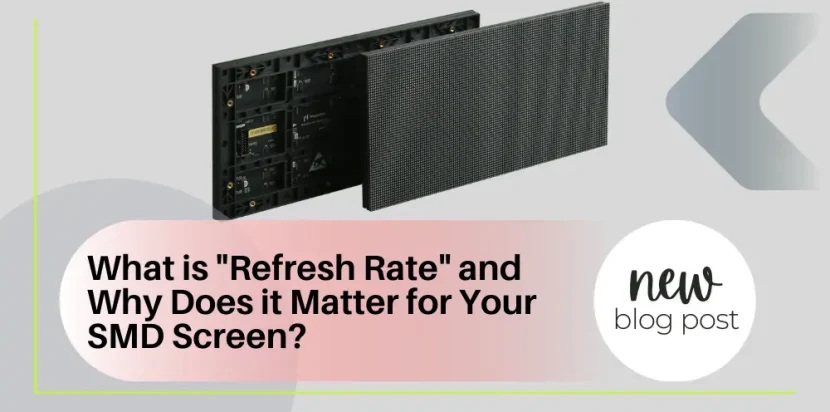
What is Refresh Rate and Why Does it Matter for Your SMD Screen?
The SMD screen refresh rate plays a critical role in display clarity, video smoothness, and viewer comfort. Whether you are installing an indoor LED wall or a large outdoor SMD screen, understanding refresh rate helps you avoid flicker, camera issues, and poor visual performance. This guide
Read More